

A business can spend months on a website, a social media
calendar, and a few ad campaigns, then wonder why nothing is moving. Usually
the problem is not effort or budget. It is a handful of avoidable mistakes that
quietly drain both.
This guide covers 10 common digital marketing mistakes,
why each one hurts, and what to do instead. Whether you run a local shop, a
startup, or a marketing team, you will likely recognize a few of them.
Key Point: Most marketing failures come from skipped
fundamentals, not missing tactics. Fix the basics before buying more tools or
ads.
1. Starting Without a Clear Goal
"We need more visibility" is a wish, not a goal.
Without a specific target, you cannot choose the right channels, judge results,
or know when to change course.
Good goals are measurable and tied to the business. Examples
include increasing online orders, collecting more qualified leads, or growing
repeat purchases. Write down one primary goal for each campaign before spending
anything.
2. Not Knowing Who You Are Talking To
Many businesses describe their audience as
"everyone." That usually produces vague messaging that connects with
no one.
Build a simple picture of your ideal customer:
- What
problem are they trying to solve?
- Where
do they look for answers: search engines, social platforms, or
recommendations?
- What
objections stop them from buying?
Customer emails, support questions, and reviews are often
better sources than guesses. Plain-language notes from real conversations beat
a polished persona document nobody uses.
3. Being Everywhere at Once

It is tempting to open accounts on every platform. The
result is usually thin, inconsistent content across all of them.
Two or three channels done well will outperform eight
done poorly. Choose based on where your customers already spend time, not
on what is trending. A B2B software company may find more value in search and
email than in short video, while a bakery may do the opposite.
|
Approach |
Typical Outcome |
|
Many channels, little time per channel |
Inconsistent posting, weak engagement |
|
Few channels, focused effort |
Stronger brand voice, easier measurement |
4. Treating SEO as an Afterthought
Search engine optimization (SEO) is the practice of making
your pages easier for search engines to find and understand. Businesses often
build a site first and think about search later, which means expensive rework.
Basic SEO habits worth building in from the start:
- Research
the phrases customers actually search for
- Give
each page one clear topic and a descriptive title
- Write
helpful content that answers real questions
- Make
sure important pages are linked from elsewhere on your site
SEO is slower than paid ads, but its results tend to last
longer. It works best as a steady habit rather than a one-time project.
5. Ignoring Site Speed and Mobile Experience
A large share of web browsing happens on phones, so a site
that is slow or awkward on a small screen loses visitors before they read a
word.
Check your own site on a phone. Can you read the text
without zooming? Do buttons work with a thumb? Does the page load quickly on a
mobile connection? Free tools such as Google's PageSpeed Insights can point out
specific problems. Fixing oversized images and cluttered layouts often delivers
the quickest improvement.
6. Creating Content That Only Sells
If every post, email, and article says "buy now,"
audiences tune out. People follow brands that help them, entertain them, or
teach them something.
A useful rule is to make most of your content genuinely
helpful and use the rest for direct promotion. A plumbing company might share
seasonal pipe-care tips. An accounting firm might explain deadlines in plain
language. Helpful content builds trust, and trust shortens the path to a
purchase.
7. Tracking Vanity Metrics Instead of Results
Followers, likes, and page views feel good, but they do not
pay bills. A post with thousands of views and no sales may be less valuable
than one with a few hundred views and several inquiries.
Focus on numbers connected to your goal:
- Conversion
rate: the share of visitors who take a desired action
- Cost
per lead or acquisition: what it costs to win a customer
- Return
on ad spend: revenue earned relative to ad cost
- Repeat
purchase rate: how often customers come back
If you are not tracking any of these, set up basic analytics
first. Free tools can show where visitors come from and what they do on your
site.
8. Neglecting Email Marketing or Buying Email Lists
Email remains one of the most direct ways to reach people
who have already shown interest. Two mistakes stand out here.
Ignoring it entirely. Social platforms change their
rules and reach, but an email list is an audience you own.
Buying lists. Purchased contacts did not ask to hear
from you. This leads to low engagement, spam complaints, and possible legal
trouble, since many regions have consent rules such as GDPR in Europe. Build
your list through sign-up forms, useful downloads, and checkout opt-ins
instead.
9. Ignoring Reviews and Customer Conversations
Digital marketing is not a broadcast. Customers leave
comments, ask questions, and post reviews, and unanswered messages signal that
nobody is listening.
Reply to feedback promptly and politely, including
criticism. A calm, helpful response to a negative review can show future
customers how you treat people. Ask satisfied customers to leave reviews, since
they influence many buying decisions.
10. Never Testing, or Quitting Too Soon
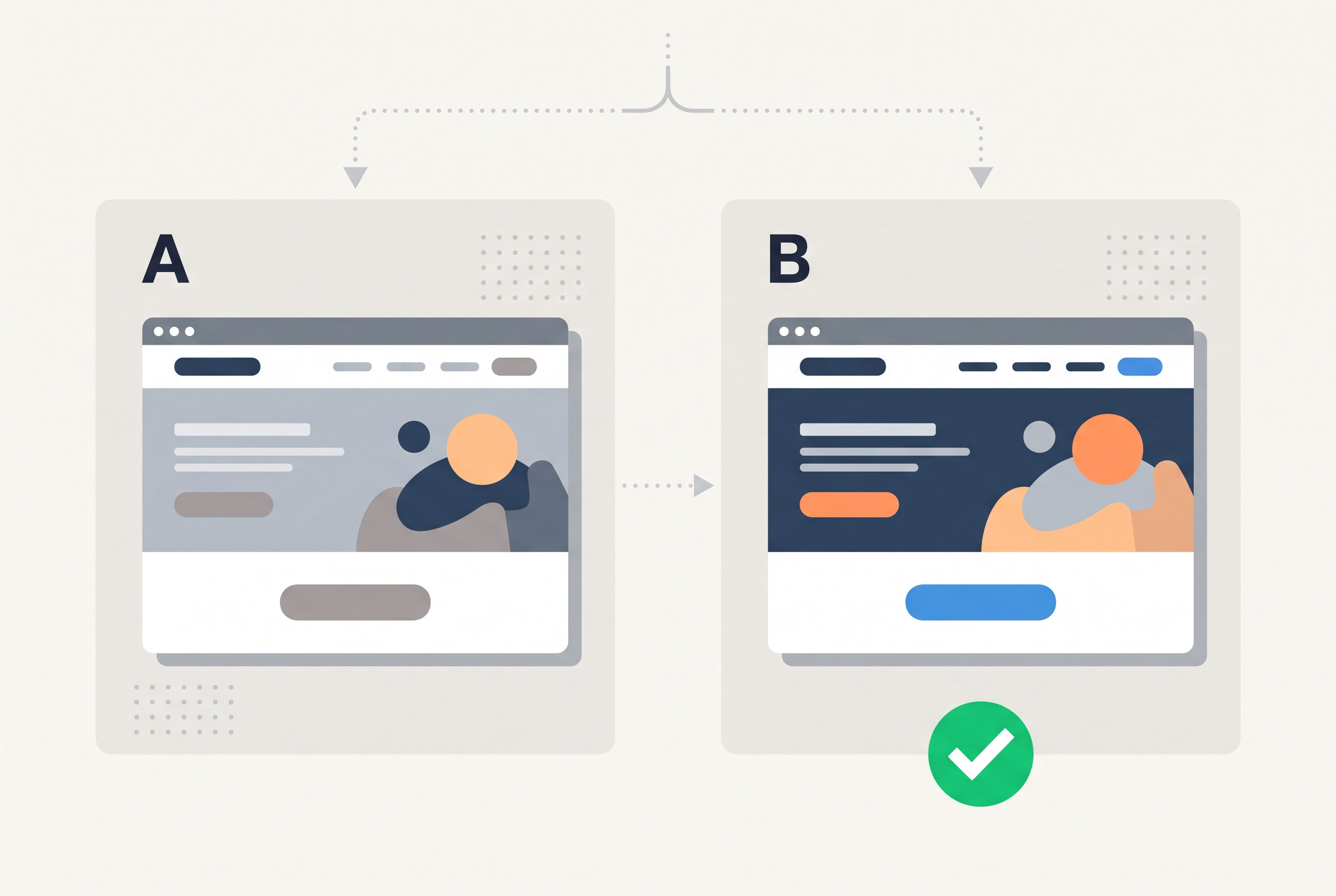
Some businesses change strategy every two weeks. Others run
the same campaign for a year without checking whether it works. Both approaches
waste money.
A better method is to change one thing at a time and
measure it. Test two subject lines, two ad images, or two landing page
headlines, then keep the version that performs better. At the same time, give
campaigns enough time to gather meaningful data, especially for SEO and
content, which build gradually.
How to Fix These Mistakes: A Simple Starting Plan
You do not need to repair everything at once. Try this
order:
- Define
one measurable goal
- Write
down who your customer is and what they need
- Choose
two or three channels
- Set up
analytics to track the goal
- Improve
your site's speed and mobile layout
- Publish
helpful content on a regular schedule
- Review
results monthly and adjust
The Takeaway
Successful digital marketing is rarely about clever tricks.
It comes from knowing your goal, understanding your audience, focusing your
effort, and learning from the numbers. Pick the one or two mistakes above that
apply most to your business, fix them first, and build from there.