A business can have a great product, a solid team, and a
smart strategy — and still struggle to get noticed. Often, the missing piece
isn't the offer itself but how it looks to the outside world. Visual presentation
shapes the very first judgment a customer makes, usually before they've read a
single word of marketing copy.
Graphic design is not simply about making things "look
nice." It is a functional part of how a business communicates trust,
professionalism, and value. This article looks at what professional graphic
design actually involves, why it matters at every stage of a business, and how
to think about it as an investment rather than a cosmetic add-on.
What Is Professional Graphic Design?
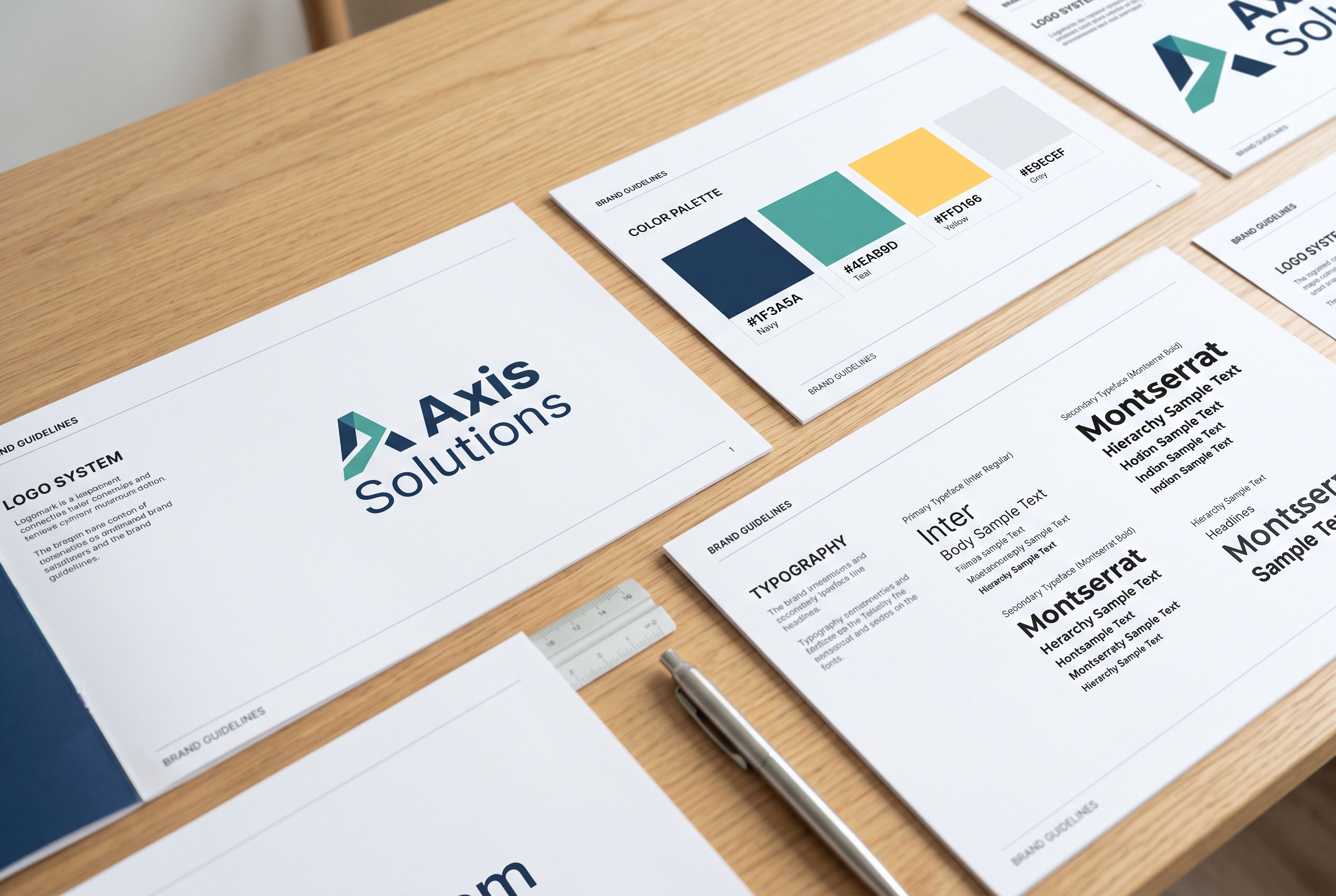
Professional graphic design is the intentional use of visual
elements — layout, color, typography, imagery, and composition — to communicate
a message clearly and consistently. In a business context, this covers
everything from a company logo and website to packaging, social media graphics,
presentations, and printed materials.
The word "professional" matters here. Anyone can
arrange text and images using free templates, but professional design is guided
by principles such as visual hierarchy, brand consistency, and audience
psychology. A trained designer makes deliberate choices about why a certain
color, font, or layout will resonate with a specific audience, rather than
picking what simply looks acceptable.
Design Versus Decoration
A common misunderstanding is treating design as decoration
applied after the real work is done. In practice, good design is a form of
problem-solving. A well-designed invoice is easier to read and gets paid
faster. A well-designed product label communicates key information at a glance.
A well-designed website guides a visitor toward taking action. Decoration is
optional; functional design is not.
How Professional Design Shapes First Impressions
Most people form an opinion about a business, product, or
website within seconds of seeing it. Before a customer reads a tagline or
checks a price, they are already reacting to the visual layer — the colors,
spacing, and overall polish.
This is why a business with a genuinely strong offering can
still lose customers to a competitor with a weaker product but a more
trustworthy-looking brand. People tend to associate visual quality with the
quality of the business itself, even when that assumption isn't always
accurate.
Key Point: Design is often the first — and sometimes
only — impression a potential customer forms before deciding whether to trust a
business.
Core Benefits of Professional Graphic Design

1. Builds Brand Recognition
Consistent use of colors, fonts, and logo placement helps a
business become recognizable over time. Companies that maintain a cohesive
visual identity across their website, packaging, and social media are
easier for customers to recall and distinguish from competitors.
2. Establishes Credibility and Trust
A cluttered or inconsistent visual presentation can quietly
raise doubts, even if the product or service is solid. Clean, professional
design signals that a business pays attention to detail — which customers often
extend to assumptions about reliability and service quality.
3. Communicates Information More Clearly
Design isn't only about aesthetics; it's also about clarity.
Thoughtful use of layout and typography helps readers absorb information faster
— whether that's a menu, an instruction sheet, a pricing page, or a report.
Poor design can bury important information in visual noise.
4. Differentiates a Business From Competitors
In crowded markets, distinctive design helps a business
stand out. A unique visual style — rather than a generic, template-based look —
gives customers a reason to remember a brand specifically, rather than treating
it as interchangeable with similar businesses.
5. Supports Marketing and Sales Efforts
Well-designed marketing materials tend to perform better
because they hold attention longer and communicate the intended message without
confusion. This applies to advertisements, social media posts, email campaigns,
and product packaging alike.
Where Businesses Use Graphic Design
Graphic design touches far more parts of a business than
most people initially assume.
|
Area |
Examples |
|
Brand Identity |
Logo, color palette, typography, brand guidelines |
|
Digital Presence |
Website layout, app interfaces, social media graphics |
|
Marketing Materials |
Advertisements, flyers, email newsletters, brochures |
|
Product Presentation |
Packaging, labels, product photography layout |
|
Internal Communication |
Presentations, reports, internal branding |
|
Physical Spaces |
Signage, storefronts, office branding |
Not every business needs all of these at once, but as a
business grows, most eventually require design work across several of these
categories.
Common Signs a Business Needs Professional Design Help
Certain patterns tend to indicate that design has been neglected
or handled inconsistently:
- The
logo looks different across the website, social media, and printed
materials.
- Marketing
materials use several unrelated fonts and color combinations.
- The
website feels cluttered, outdated, or difficult to navigate.
- Customers
frequently ask questions that the packaging or materials should already
answer.
- Competitors'
materials consistently look more polished or trustworthy.
If several of these apply, it's usually a sign that design
has been treated as an afterthought rather than a planned part of the business
strategy.
DIY Design Versus Hiring a Professional
Many small businesses start with do-it-yourself design
tools, and this can be a reasonable starting point with limited budgets.
However, there are meaningful differences between DIY design and professional
design work.
|
Factor |
DIY Design |
Professional Design |
|
Consistency |
Often varies between materials |
Maintained through brand guidelines |
|
Strategic thinking |
Based on personal preference |
Based on audience and business goals |
|
Time investment |
Can take significant owner time |
Handled by a specialist, freeing owner time |
|
Scalability |
Difficult to maintain as business grows |
Built with growth and reuse in mind |
|
Technical quality |
Limited by template constraints |
Tailored to exact needs and formats |
Key Point: DIY design can work temporarily, but it
rarely scales well once a business starts producing materials across multiple
channels.
How to Choose the Right Approach to Design
There is no single correct way to approach design, but a few
practical questions can guide the decision:
- What
is the current stage of the business? Early-stage businesses may
prioritize a strong logo and basic brand identity before investing heavily
elsewhere.
- Where
does the business interact with customers most? A retail business may
prioritize packaging and signage; an online service may prioritize website
and digital ad design.
- Is
there an existing brand identity to maintain, or is this a fresh start?
Rebranding requires different considerations than building identity from
scratch.
- What
is the realistic budget? Professional design doesn't have to mean the
most expensive option — it means intentional, consistent, audience-focused
work, which can be achieved at different price points depending on scope.
Common Misconceptions About Graphic Design
"Design Is Just About Making Things Pretty"
Aesthetics are part of design, but the deeper purpose is
communication and usability. A visually appealing design that fails to
communicate the right message or guide the right action has not done its job.
"Good Design Is Too Expensive for a Small
Business"
Design costs vary widely depending on scope. A simple,
consistent brand identity for a small business is generally far less costly
than the ongoing cost of inconsistent branding, customer confusion, or a weak
first impression that turns potential customers away.
"Once the Logo Is Done, Design Work Is
Finished"