
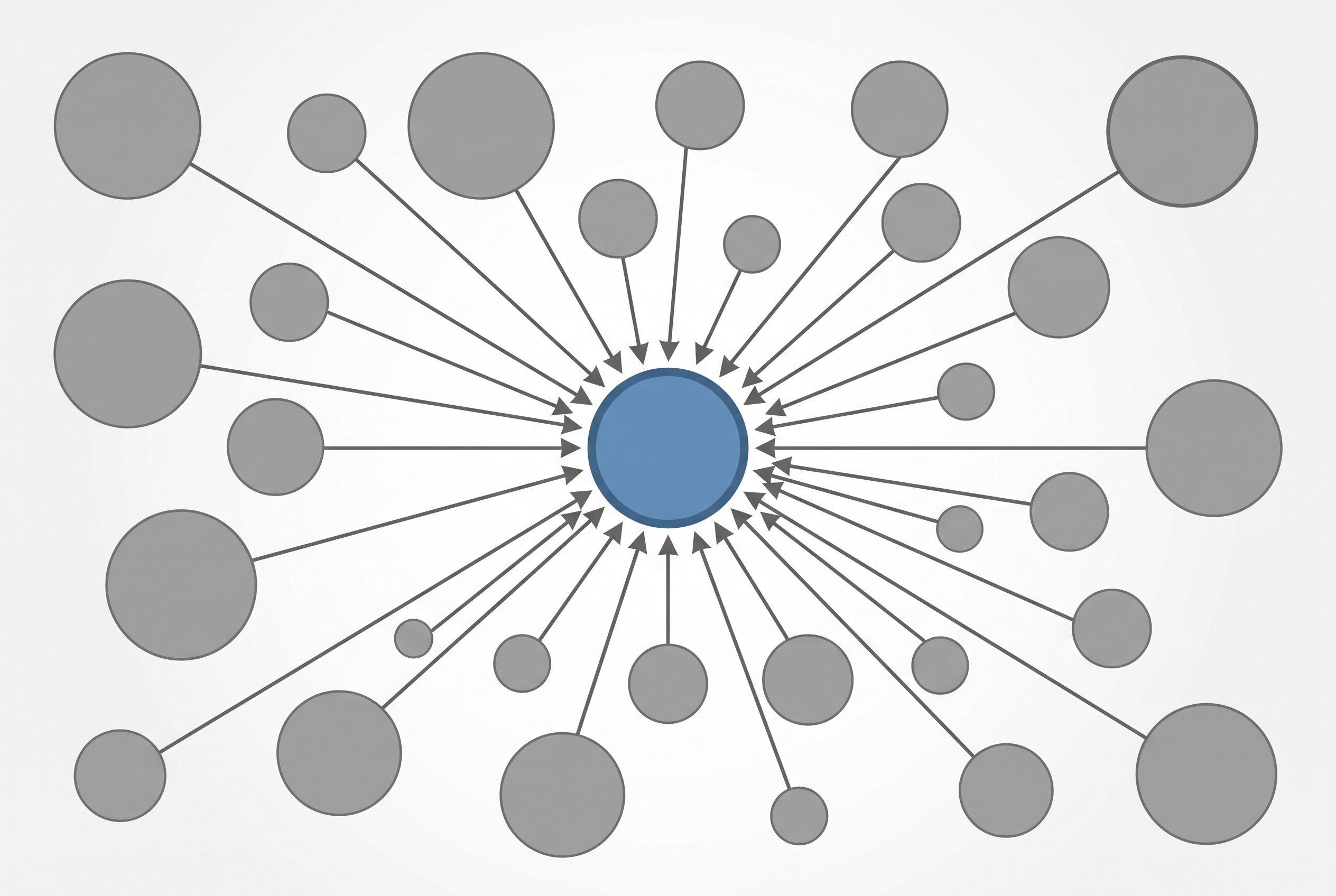
Off-page SEO (also called off-site SEO) is the
set of activities and signals that occur outside a website and can influence
how search engines evaluate and rank it. The most widely discussed signal is
the backlink, a hyperlink from one website to another. Other factors
include brand mentions, online reputation, and content distribution across
third-party platforms. It is one of the main branches of search engine
optimization (SEO), alongside on-page SEO and technical SEO.
|
Infobox |
|
|
Field |
Search engine optimization |
|
Also known as |
Off-site SEO |
|
Contrasted with |
On-page SEO, technical SEO |
|
Best-known signal |
Backlinks (inbound links) |
|
Conceptual origin |
Link analysis, notably PageRank (published 1998) |
|
Related practice |
Link building, digital public relations |
Overview
Search engines assess a page using signals from the page
itself and signals from elsewhere on the web. On-page SEO addresses content and
HTML elements the site owner controls directly. Technical SEO addresses
crawling, indexing, and site performance. Off-page SEO addresses external
signals that the site owner can influence but cannot directly edit.
The underlying idea is that a link from one site to another
can act as an endorsement or reference. A page that many independent sources
link to may therefore be treated as more notable than one that few sources
reference. Search engines do not publish their full ranking systems, so the
exact weight given to any off-page signal is not public.
Note: Off-page SEO is not the same as social media
marketing or advertising. Google has stated that paid links intended to
influence rankings violate its spam policies, and that it generally does not
use social media activity as a direct ranking signal. Activities on social
platforms may still lead to links or mentions that search engines can observe.
History
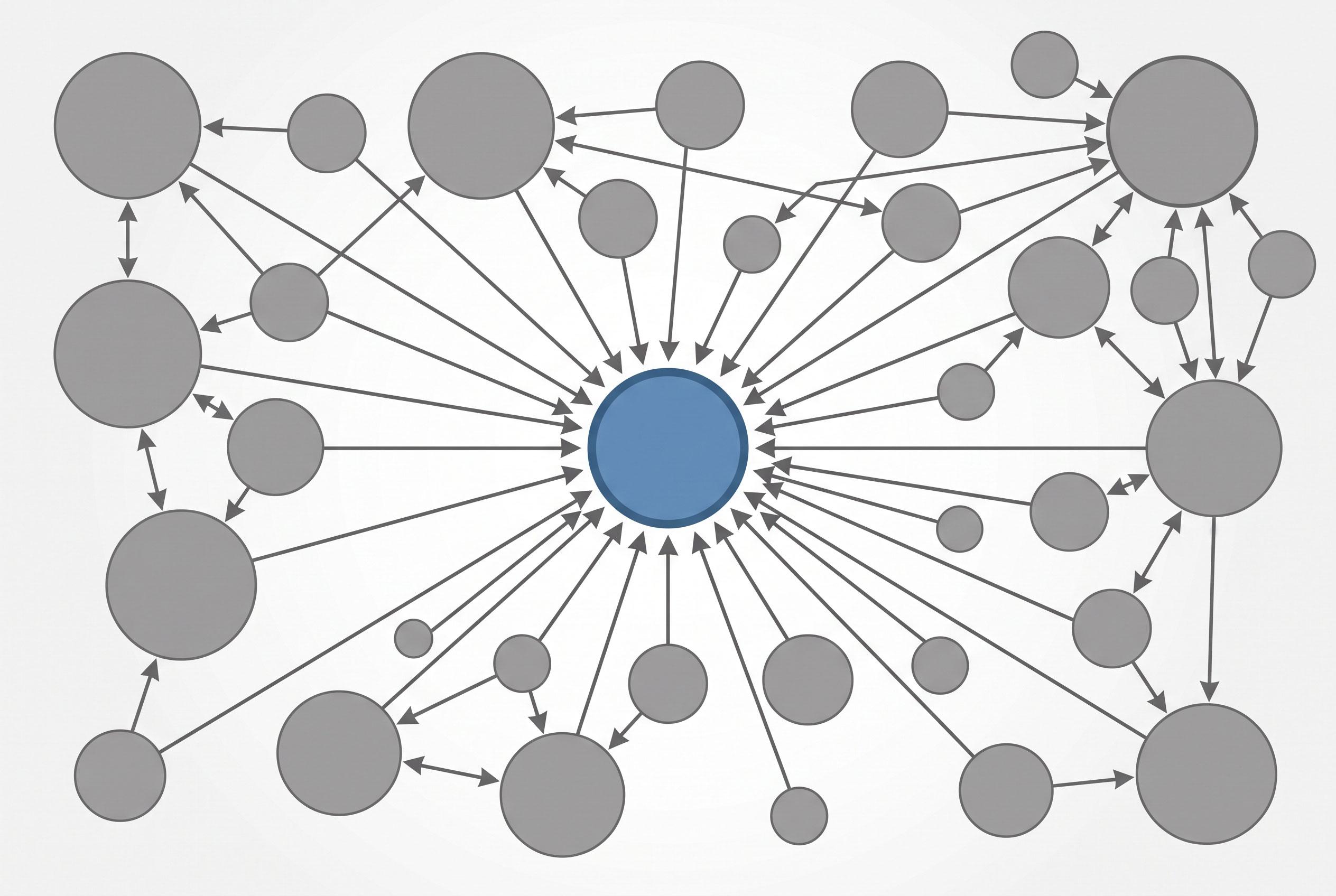
Early web search engines relied heavily on the words on a
page. Link analysis changed this approach. Larry Page and Sergey Brin
developed PageRank at Stanford University and described a
hyperlink-based search engine in a 1998 paper, "The Anatomy of a
Large-Scale Hypertextual Web Search Engine." PageRank treated links as
votes weighted by the importance of the linking page.
As links became a known ranking input, some site owners
began creating links artificially through link exchanges, directories, and
automated posting. Search engines responded with countermeasures. In January
2005, Google, Yahoo, and MSN Search jointly announced the nofollow
attribute, which lets a site mark a link as not endorsing its target.
Later milestones are commonly cited as follows:
- 2012:
Google's Penguin update targeted manipulative link schemes. Google
also released a disavow tool that year, allowing site owners to ask
Google to ignore specific links.
- 2016:
Google removed publicly visible Toolbar PageRank scores, according to
widely reported accounts.
- 2019:
Google introduced the sponsored and ugc link attributes and
said all three attributes would be treated as hints rather than strict
directives.
- 2022
onward: Google described using its SpamBrain system to detect
link spam, including in a December 2022 link spam update.
Signals and Concepts
Backlinks
Backlinks are the central off-page signal. Commonly
discussed characteristics include the authority and relevance of the linking
site, the context surrounding the link, and the anchor text used. Quantity
alone is generally not considered sufficient, and Google has said that a small
number of good links can matter more than many low-quality ones.
Link attributes
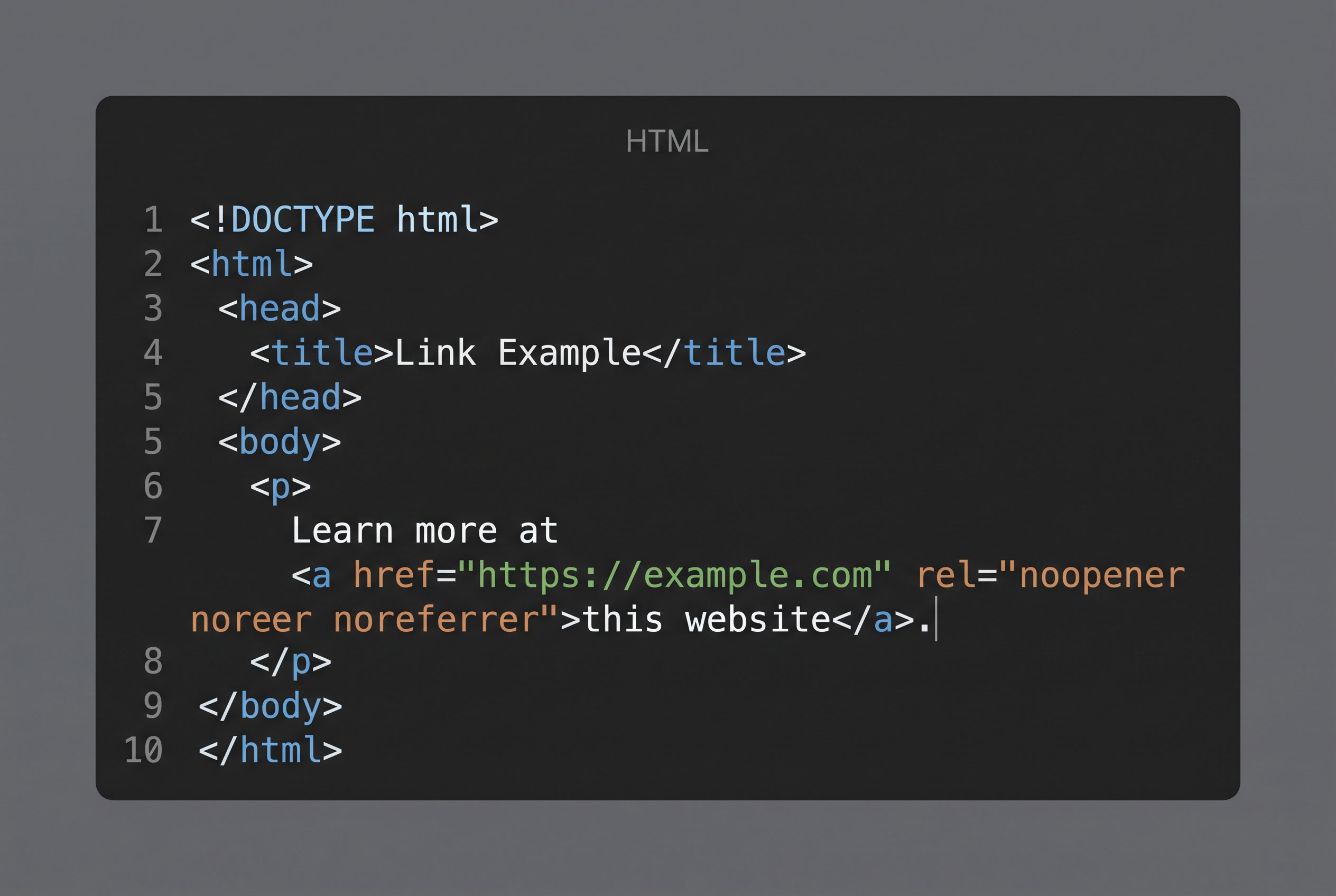
Site owners can label outbound links with attributes that
describe the relationship:
|
Attribute |
Intended use |
|
rel="nofollow" |
Links the site does not wish to endorse |
|
rel="sponsored" |
Paid or advertising links |
|
rel="ugc" |
Links in user-generated content, such as comments or
forums |
Brand mentions and reputation
Search engines can also observe unlinked mentions of a brand
or entity. Whether unlinked mentions act as a direct ranking signal is disputed
among practitioners, and search engines have not confirmed a precise mechanism.
Reviews, citations in news coverage, and entries in business directories may
still support how an organization is understood online.
Third-party authority metrics
Companies such as Moz and Ahrefs publish proprietary scores,
including Domain Authority and Domain Rating, that estimate link
strength. These are third-party estimates and are not used by Google. They are
intended as comparison tools rather than reflections of actual ranking systems.
Common Methods
Practitioners commonly group off-page methods as follows:
- Earned
links: Links that other sites add voluntarily, often because of
original research, tools, or reporting.
- Digital
public relations: Outreach to journalists and publishers that may
result in coverage and citations.
- Guest
contributions: Articles written for other sites. Google has warned
against large-scale guest posting intended mainly to build links.
- Broken
link building: Notifying a site owner of a dead outbound link and
suggesting a working replacement.
- Local
citations: Listings of a business name, address, and phone number on
directories, relevant to local search.
- Content
promotion: Sharing content on social and community platforms to reach
audiences who may link to it.
Risks and Guidelines
Google's spam policies describe link spam as links
created mainly to manipulate rankings. Examples include buying or selling links
that pass ranking credit, excessive link exchanges, and automated link
creation. Search engines can respond with algorithmic demotion or, in some
cases, a manual action shown in Google Search Console.
Because outcomes depend on undisclosed systems, sources
disagree on how much individual tactics matter. Some practitioners regard link
building as among the most influential SEO activities. Others argue that
content quality and user experience are more important, and that link-focused
strategies carry disproportionate risk. Both views appear in trade
publications, and neither has been confirmed comprehensively by search engines.
Common Misconceptions
- More
links always help. Search engines describe link quality and relevance
as more important than volume, and low-quality links may be ignored or
penalized.
- Nofollow
links have no value. Since 2019, Google has treated nofollow as a
hint, so such links may or may not be used for discovery or ranking.
- Third-party
authority scores are ranking factors. They are independent estimates
and not used directly by Google.
- Results
are immediate. Newly acquired links must first be crawled and
processed, and effects on rankings, if any, vary.
Current Status
Off-page SEO remains a standard component of SEO practice,
though search engines continue to revise how they detect and evaluate links.
Practices and search engine guidance change over time, so current documentation
from search engine providers is the more reliable reference.