
Evergreen content is material that remains relevant,
accurate, and useful to readers over a long period, rather than losing value
shortly after publication. It usually covers topics of lasting interest, such
as foundational concepts, instructions, definitions, and reference information.
The term is used mainly in publishing, journalism, and digital marketing, and
is often contrasted with time-sensitive material such as news reports and
seasonal coverage.
The name comes from evergreen plants, which keep their
foliage year-round. Evergreen content is not permanent: most of it needs
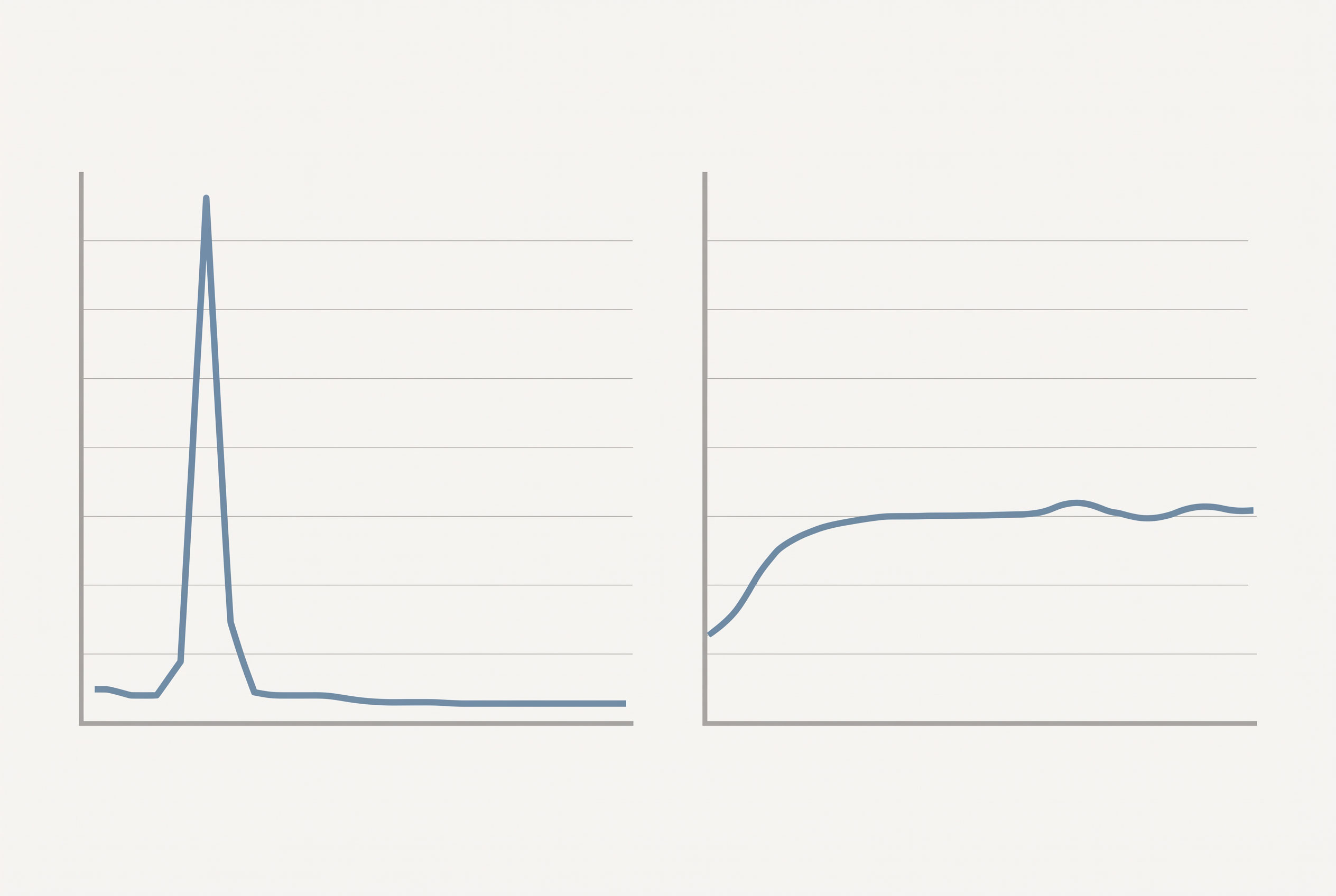
periodic review to stay correct. In search-driven publishing, it is commonly
associated with traffic that persists or grows slowly over months or years
instead of peaking at release.
Origins and terminology
The word "evergreen" has long been used in the
publishing industry for material that is not tied to a specific date. In
newspapers and magazines, an evergreen story is one that editors can hold in
reserve and run whenever space allows, such as a feature on a seasonal
tradition or a profile with no news hook. The exact first use of the term in
this sense is not well documented, and sources do not agree on a date.
The phrase gained wider currency with the growth of web
publishing and search engines. Site owners observed that some pages kept
attracting visitors long after release, while others received most of their
traffic in the first days. This led to the label being applied to online
articles, videos, podcasts, and other formats.
Characteristics
Evergreen content is generally described by several traits,
although no formal standard defines them:
- Durable
subject matter. The topic does not depend on a particular event, date,
or trend.
- Stable
underlying facts. The information changes slowly, if at all.
- Search
relevance. The subject matches questions readers ask repeatedly, such
as how a process works or what a term means.
- Neutral
framing. References to specific dates, prices, or current events are
limited or avoided, since these age quickly.
- Completeness.
Pages that cover a topic in depth tend to stay useful longer than brief
posts.
Durability is relative. A guide to basic arithmetic may stay
valid for decades, while a guide to a software interface may be outdated within
a year. Many practitioners therefore treat evergreen status as a spectrum.
Comparison with time-sensitive content
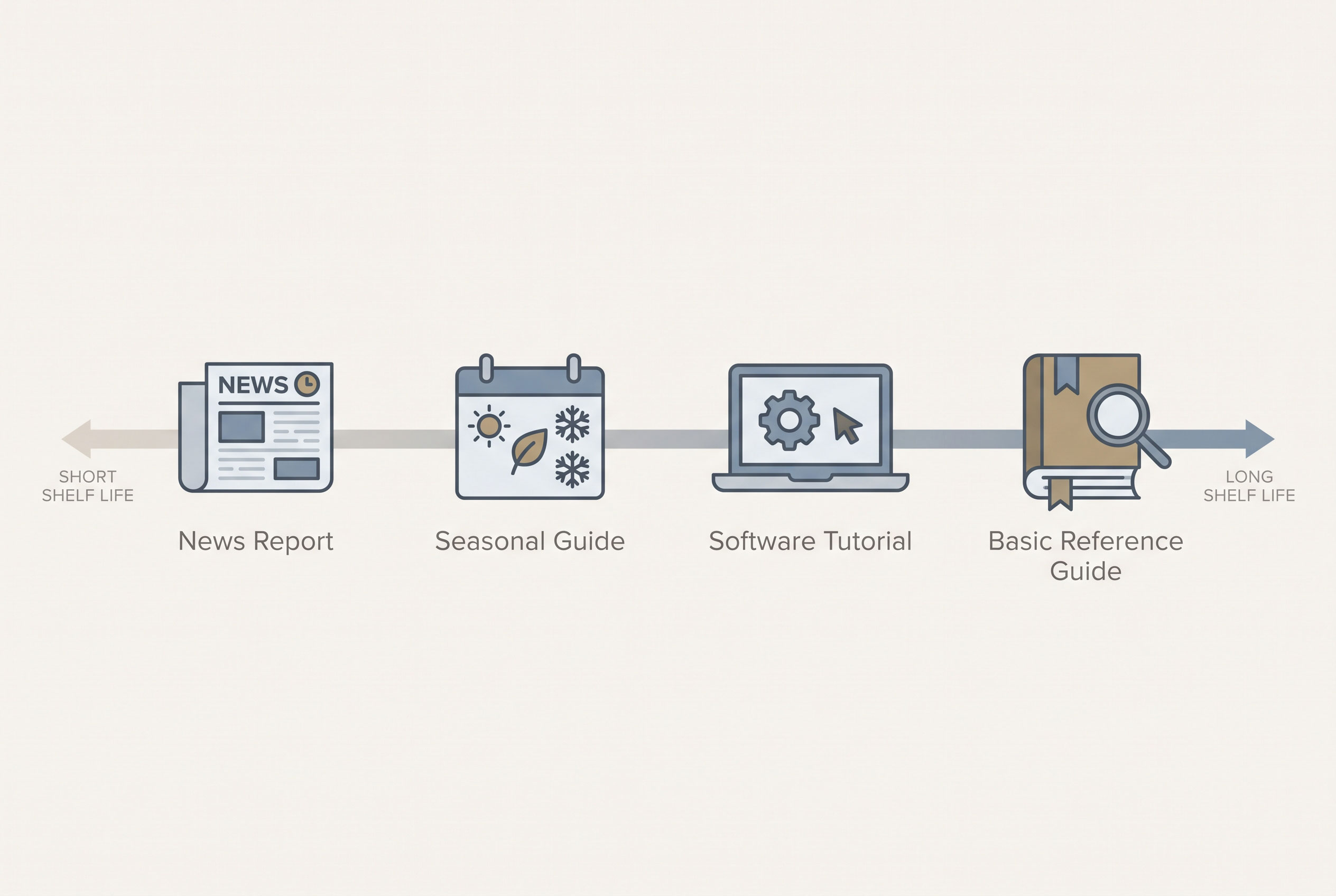
Publishers commonly classify content by how quickly its
value declines. The table below summarizes the usual distinctions.
|
Aspect |
Evergreen content |
Time-sensitive content |
|
Typical topics |
Definitions, tutorials, reference guides |
Breaking news, product launches, event coverage |
|
Traffic pattern |
Gradual and sustained |
Sharp peak followed by decline |
|
Update need |
Periodic review for accuracy |
Often none; superseded by newer reports |
|
Shelf life |
Months to many years |
Hours to weeks |
|
Main discovery channel |
Search engines, internal links |
Social media, news feeds, direct alerts |
A third category, sometimes called seasonal or recurring
content, falls between the two. A guide to filing annual taxes or preparing for
winter is relevant every year but only during certain months. Some writers
consider this evergreen with a cycle, while others treat it separately.
Common formats
Evergreen material appears in many media:
- Explanatory
articles and glossaries that define terms or concepts.
- How-to
guides and tutorials describing repeatable procedures.
- Resource
lists and reference pages that collect established information.
- Frequently
asked question pages answering recurring queries.
- Video
and audio lessons on fundamentals of a subject.
- Case
studies and historical overviews, when they concern settled events.
Role in search and publishing strategy
Evergreen content is closely tied to search engine
optimization (SEO). Because many readers reach pages through search queries,
content that answers recurring questions can continue to receive visits without
further promotion. Marketing literature often describes this as a compounding
effect, in which older pages accumulate links and visits over time. Search
engines do not publish guarantees about how long any page will rank, and
results vary by topic and competition.
Publishers also use evergreen pages as hubs. A comprehensive
page on a core topic may be linked from many newer articles, a structure
sometimes called "cornerstone" or "pillar" content. The
terms are informal and used inconsistently across the industry.
Maintenance and content decay
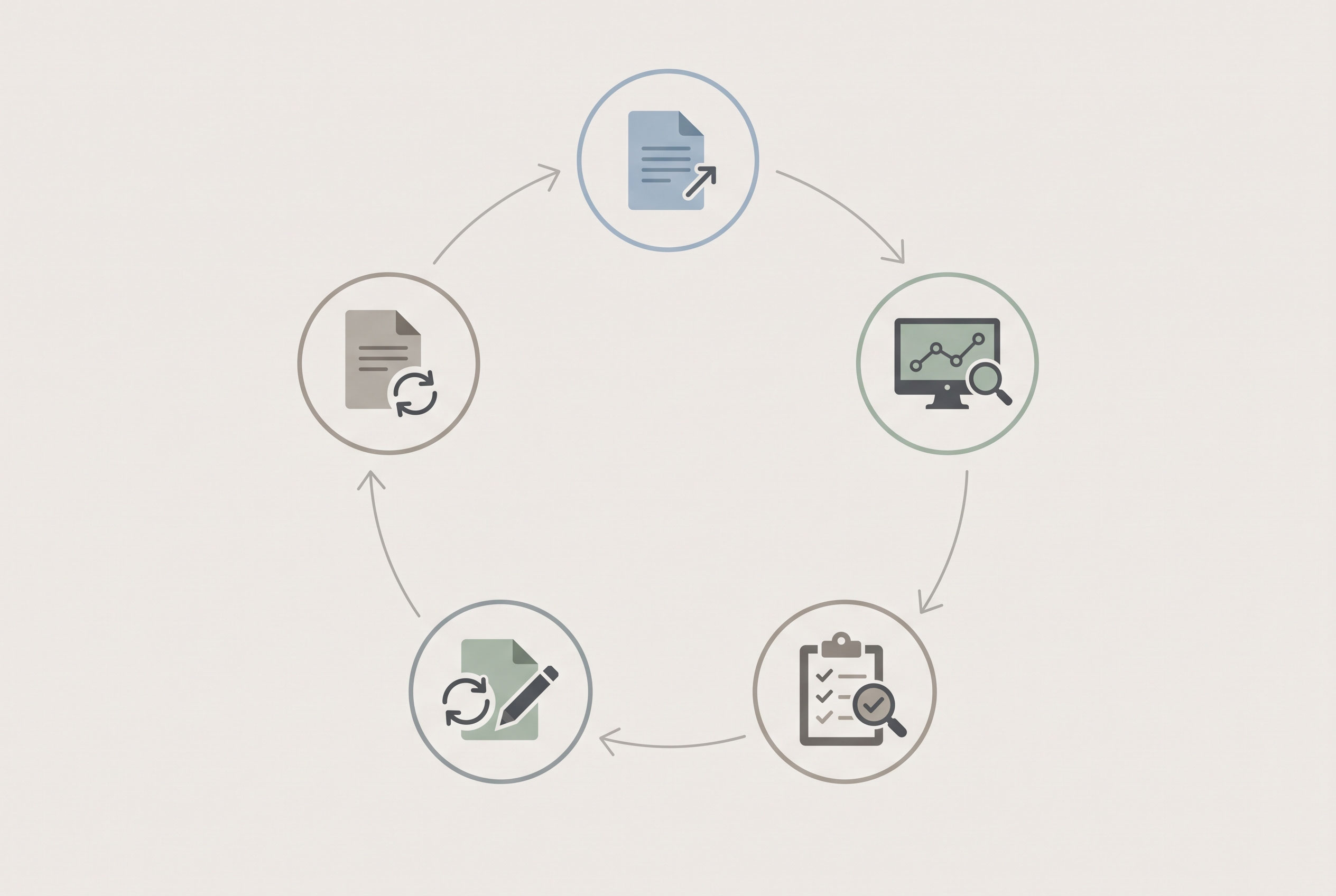
Evergreen content is not maintenance-free. Content decay
refers to the gradual decline in traffic or usefulness as information becomes
outdated, competitors publish newer material, or reader interests shift. Common
maintenance practices include:
- Reviewing
facts, figures, and links on a regular schedule.
- Replacing
outdated examples or screenshots.
- Adding
newer developments without removing still-valid information.
- Recording
the date of the last review or update so readers can judge currency.
Whether to change the publication date after an update is
debated. Some publishers advocate showing both original and revised dates for
transparency.
Limitations and criticism
Several criticisms and caveats appear in discussions of the
approach:
- Overestimated
durability. Topics assumed to be timeless can change through new
research, regulation, or technology.
- Saturation.
Popular evergreen topics are often covered by many publishers, which can
make visibility difficult to achieve.
- Neglect
risk. Older pages left unreviewed can present inaccurate information.
- Balance
with news. Some editors note that an exclusive focus on evergreen
material can reduce a publication's responsiveness to current events.
Common misconceptions
- Evergreen
does not mean permanent. All evergreen material depends on the
stability of its subject.
- It
is not a specific format. An article, video, or podcast can be
evergreen or time-sensitive depending on its topic.
- It
is not a guarantee of traffic. Longevity depends on reader demand and
competition, not only on subject choice.
Note: "Evergreen content" differs from
"evergreen" as a financial or legal term, such as an evergreen
contract that renews automatically. The two uses are unrelated.
Current status
Evergreen content remains a standard planning category for
editorial teams, and many publishers balance it against timely coverage. As
search engines and AI-based answer tools change how readers find information,
the practical value of evergreen pages may shift, and practitioners continue to
discuss how.