

Ghostwriting is the practice of writing books,
speeches, articles, or other works that are officially credited to another
person. The credited person is the named author or speaker, while the ghostwriter
is paid to produce the text and usually receives no public attribution. It is
common in memoirs, political speechwriting, business books, journalism, and
music.
|
Infobox: Ghostwriting |
|
|
Type |
Professional writing service |
|
Practitioners |
Ghostwriters (also “ghost writers”) |
|
Typical outputs |
Memoirs, speeches, op-eds, business books, blog posts,
lyrics |
|
Typical arrangement |
Contracted work with confidentiality terms |
|
Credit conventions |
None, “with”, “as told to”, or acknowledgments |
|
Historical precedent |
Speech-writing for hire in ancient Athens |
Ghostwriting is distinct from plagiarism, because the
credited author consents to and commissions the work. It does raise questions
about authenticity and disclosure in some contexts, particularly education,
academic publishing, and politics.
Overview
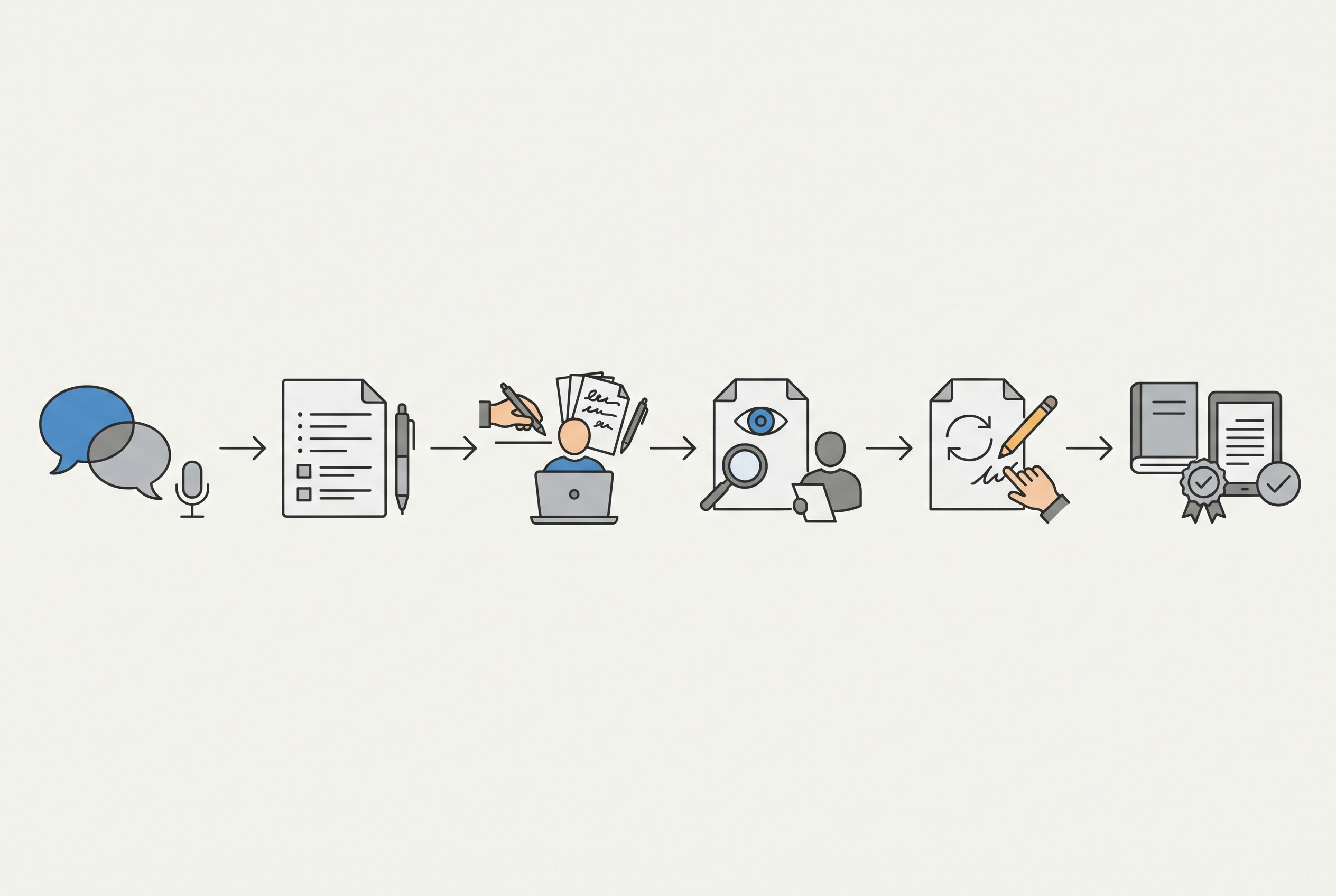
In most ghostwriting arrangements, the named author supplies
the ideas, experiences, or direction, and the ghostwriter shapes them into
finished prose. The degree of the named author’s involvement varies widely.
Some clients provide detailed outlines, recordings, or draft chapters. Others
offer only a topic and a general viewpoint.
Ghostwriting is usually distinguished from related roles:
- Editor:
revises text the author has already written.
- Co-author:
receives public credit on the work.
- Collaborator:
often credited with “with” or “and” on the cover.
- Speechwriter:
a ghostwriter specializing in spoken remarks, typically employed by a
politician, executive, or organization.
Etymology and Terminology
The “ghost” in the term refers to a writer who is present in
the work but invisible to the public. The word ghostwriter is generally
reported to have entered English in the early twentieth century, though sources
vary on its earliest attestation.
Publishing has developed several conventions for crediting
this work:
- Uncredited:
the ghostwriter is not named anywhere.
- “With”
or “and”: the ghostwriter appears in smaller type on the cover or
title page.
- “As
told to”: common in memoirs, indicating the text is based on the named
person’s recounted experiences.
- Acknowledgments
only: the ghostwriter is thanked within the book.
History
Antiquity
Hired speechwriting has early precedents. In ancient Athens,
professional logographers such as Lysias composed speeches for
litigants, who were expected to argue their own cases in court. The clients
delivered the speeches as their own words.
Politics and Public Life
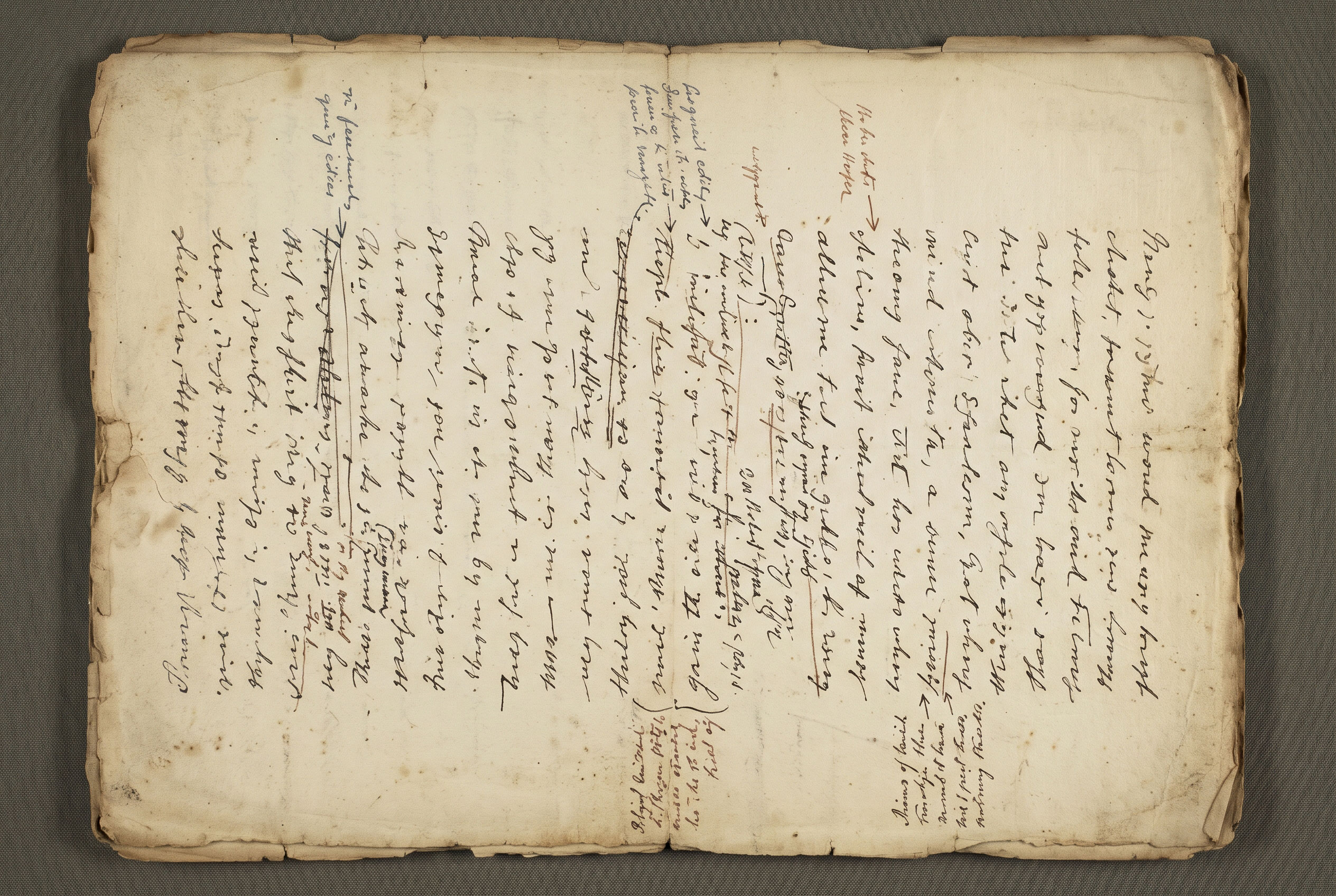
Political leaders have long relied on drafting assistance. George
Washington’s Farewell Address (1796) is commonly described as having been
developed with substantial drafting help from Alexander Hamilton,
building on an earlier draft by James Madison. Modern presidents and prime
ministers typically employ teams of speechwriters.
A frequently cited modern case is Profiles in Courage
(1956), published under the name of John F. Kennedy. Aide Theodore
Sorensen is widely reported to have drafted substantial portions, and
Sorensen later described his contribution in his memoir Counselor
(2008). The exact division of labor has been debated.
Publishing Industry
In the twentieth century, ghostwriting became established in
commercial publishing. The Stratemeyer Syndicate produced series such as
Nancy Drew and The Hardy Boys under house pseudonyms (Carolyn
Keene and Franklin W. Dixon), with various writers working under
each name. Celebrity and executive memoirs became a significant market segment
in the later twentieth century, with professional collaborators frequently
shaping the text.
Common Applications
Books and Memoirs
Memoir ghostwriting often begins with extended interviews.
The writer organizes the material chronologically or thematically, drafts
chapters in the client’s voice, and revises based on feedback. Business,
self-help, and health books are also commonly ghostwritten.
Speeches and Op-Eds
Speechwriters adapt policy positions or corporate messages
into spoken form, attending to rhythm and audience. Opinion pieces published
under an executive’s or official’s byline are also often drafted by staff or
contractors.
Music and Entertainment
Songwriters and screenwriters sometimes work without credit,
particularly when producing material for performers. Practices and attribution
norms vary by country and genre.
Digital Content
Corporate blogs, social media posts, newsletters, and
website copy are frequently produced by ghostwriters on behalf of businesses
and individuals.
Contracts and Compensation
Ghostwriting is generally governed by a written agreement.
Typical terms include:
- Confidentiality:
the ghostwriter agrees not to disclose the arrangement.
- Copyright:
the contract usually assigns rights to the client, sometimes through “work
made for hire” provisions where applicable under national law.
- Payment
structure: a flat project fee, payment in installments, hourly or
per-word rates, or a share of royalties. Rates vary widely by market,
subject, and the writer’s reputation, and no single figure is standard.
- Credit
and approval: whether the ghostwriter may be named, and how many revision
rounds are included.
Ethics and Disclosure
Views on ghostwriting differ by context. In popular
publishing and politics, many observers regard it as an accepted practice,
since readers generally assume that prominent figures use professional help. Critics
argue that undisclosed assistance can mislead audiences about who holds the
expertise or voice behind a work.
Academic and Scientific Settings
In education, submitting commissioned work as one’s own is
treated as academic misconduct under most institutional policies. Commercial
“essay mills” have drawn regulatory attention. For example, England and
Wales criminalized providing such services to students through the Skills
and Post-16 Education Act 2022, and Australia has adopted similar
legislation.
In medical and scientific publishing, ghost authorship
(omitting individuals who made substantial contributions to a paper) is
considered improper under the authorship criteria of the International
Committee of Medical Journal Editors (ICMJE). Editors generally expect
writing assistance to be acknowledged.
Note: Ghostwriting for a client who approves and
adopts the work is different from fabricating authorship credentials. Most
disputes concern whether disclosure is expected in the specific setting.
Artificial Intelligence
Generative AI tools can produce draft text on request, and
some commentators compare them to ghostwriters. Publishers, schools, and
journals have adopted varying policies on disclosure of AI assistance, and
norms continue to change. Professional ghostwriters report differing views on
whether AI competes with or complements their work, and no consensus has been
established.
Current Status
Ghostwriting remains an established part of publishing,
public relations, and political communication. Its acceptability depends
largely on context and disclosure expectations rather than on the practice
itself.